

Blog
Skin Barrier Repair: The 2026 K-Beauty Trend Everyone’s Obsessed With

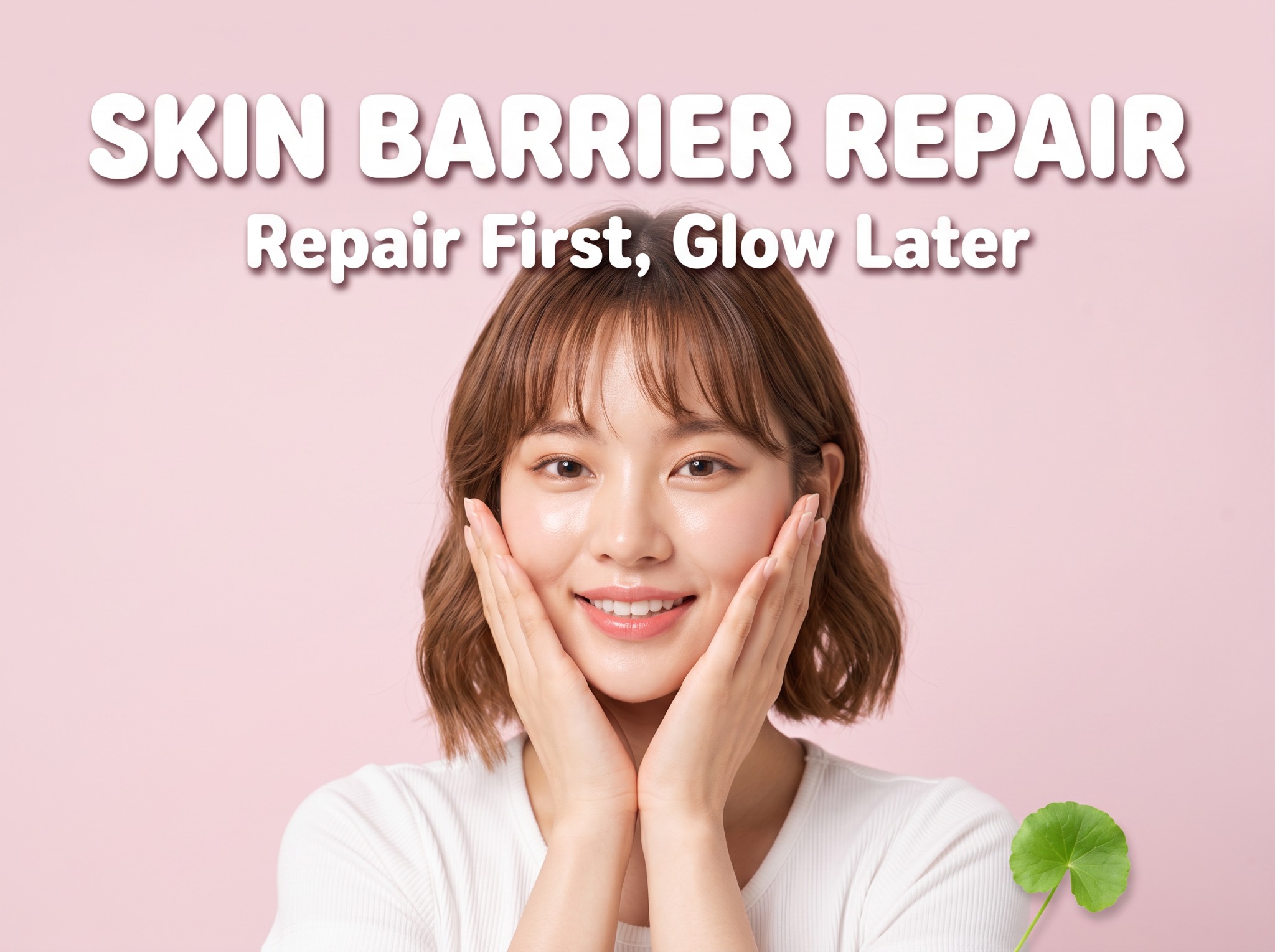
Hey friend — let’s talk about the skincare trend that’s finally making sense: skin barrier repair. If your feed has been full of “barrier-first” routines, fermented ceramides, and people ditching harsh 10-step routines for something gentler, you’re not imagining it. It’s the biggest shift in K-Beauty this year, and it’s honestly a relief.
A quick story
I used to chase every trending active — acids, retinol, you name it — until my skin started feeling tight, red, and reactive to everything. Turns out I’d wrecked my moisture barrier. The fix wasn’t more products, it was the right ones, focused on repair first. That’s the whole idea behind this trend, and it’s why we keep coming back to ingredients like Centella Asiatica (Cica), niacinamide, and hyaluronic acid.
What Is Your Skin Barrier, and Why Is Everyone Talking About It?

- Your first line of defense: The skin barrier locks moisture in and irritants out.
- Damaged barrier = sensitive skin: Redness, tightness, and breakouts often trace back to a compromised barrier.
- “Slow aging” over quick fixes: 2026’s biggest K-Beauty shift is prioritizing long-term skin health over aggressive treatments.
- Gentle, clinical-strength ingredients: Think heartleaf, ceramides, and peptides instead of harsh exfoliants.
The Barrier-Repair Ingredients Worth Knowing

- Centella Asiatica (Cica): A calming, redness-reducing hero found in our SKIN1004 Centella Hyalu-Cica Sun Serum and Centella Tea-Trica Soothing Sun Milk.
- Heartleaf extract: The star of our Anua Heartleaf 77% Soothing Toner — soothes and preps skin for actives.
- Niacinamide: Strengthens the barrier while brightening — try Anua Niacinamide 10 + TXA 4 Serum.
- Azelaic Acid: A gentler alternative to AHAs/BHAs for redness and breakouts — see Anua Azelaic Acid 10 + Hyaluron Serum.
- Hyaluronic Acid: Replenishes hydration without weighing skin down — our Tiam Hyaluronic Glow Revive Serum and Isntree Ultra Low HA Serum are both go-tos.
How to Build a Barrier-First Routine
Here’s the golden rule: fewer steps, more consistency. A barrier-repair routine leans on soothing, hydrating layers rather than stacking actives.
Step-by-Step: A Simple Barrier-Repair Routine

- Cleanse gently: Skip stripping cleansers — look for pH-balanced, non-foaming formulas.
- Tone with heartleaf: Pat in a soothing toner like Anua Heartleaf 77% right after cleansing.
- Treat with a barrier-friendly serum: Niacinamide or azelaic acid, applied while skin is still slightly damp.
- Hydrate: Layer a hyaluronic acid serum to lock in moisture.
- Protect: Finish every morning with a centella-based SPF like the SKIN1004 Sun Serum.
Gentle Actives vs. Aggressive Actives — What’s the Difference?

| Barrier-First (Gentle) | Aggressive Actives |
|---|---|
| Centella, heartleaf, niacinamide, azelaic acid | High-strength retinoids, strong AHA/BHA acids |
| Calms and repairs over time | Fast results but higher irritation risk |
| Safe for daily, long-term use | Needs careful introduction and recovery time |
Barrier Repair Tips by Skin Type

- Sensitive skin: Start with heartleaf toner alone before adding actives.
- Oily skin: Niacinamide helps balance oil while still repairing the barrier.
- Dry skin: Layer hyaluronic acid under a richer moisturizer.
- Combination skin: Focus soothing ingredients on reactive zones, hydration everywhere else.
Shop the Barrier-Repair Routine
Ready to build your own barrier-first routine? These are the soothing, hydrating, and protective products featured in this guide.


8 FAQs — Skin Barrier Repair Edition

1. How do I know if my skin barrier is damaged?
Common signs include tightness, redness, stinging with products that never used to irritate you, and unexpected breakouts.
2. How long does it take to repair a skin barrier?
Typically 2–4 weeks of consistent, gentle care, though more severe damage can take longer.
3. Can I still use actives while repairing my barrier?
Pause strong exfoliants and retinoids at first. Gentler actives like niacinamide and azelaic acid are usually fine.
4. Is Centella Asiatica the same as Cica?
Yes — “Cica” is just the popular K-Beauty shorthand for Centella Asiatica.
5. Do I need a separate barrier repair cream?
Not necessarily — a good toner, serum, and moisturizer routine can be enough if the ingredients are barrier-friendly.
6. Can barrier repair products help with acne?
Yes — a healthy barrier reduces the inflammation that often makes breakouts worse.
7. Is this routine suitable for sensitive skin?
It’s actually designed with sensitive skin in mind — that’s the whole point of the barrier-first approach.
8. What should I avoid while my barrier is compromised?
Skip physical scrubs, high-percentage acids, and fragranced products until your skin calms down.
Conclusion — Repair First, Glow Later
The barrier-first trend isn’t just a TikTok moment — it’s a genuinely smarter way to get lasting, healthy skin. Start with soothing, barrier-friendly ingredients like heartleaf, centella, and niacinamide, and build up from there. Ready to start your barrier-repair routine? Explore MYFIOR’s picks today.