

Blog
Skin Flooding: The Viral K-Beauty Hydration Trend Everyone’s Talking About

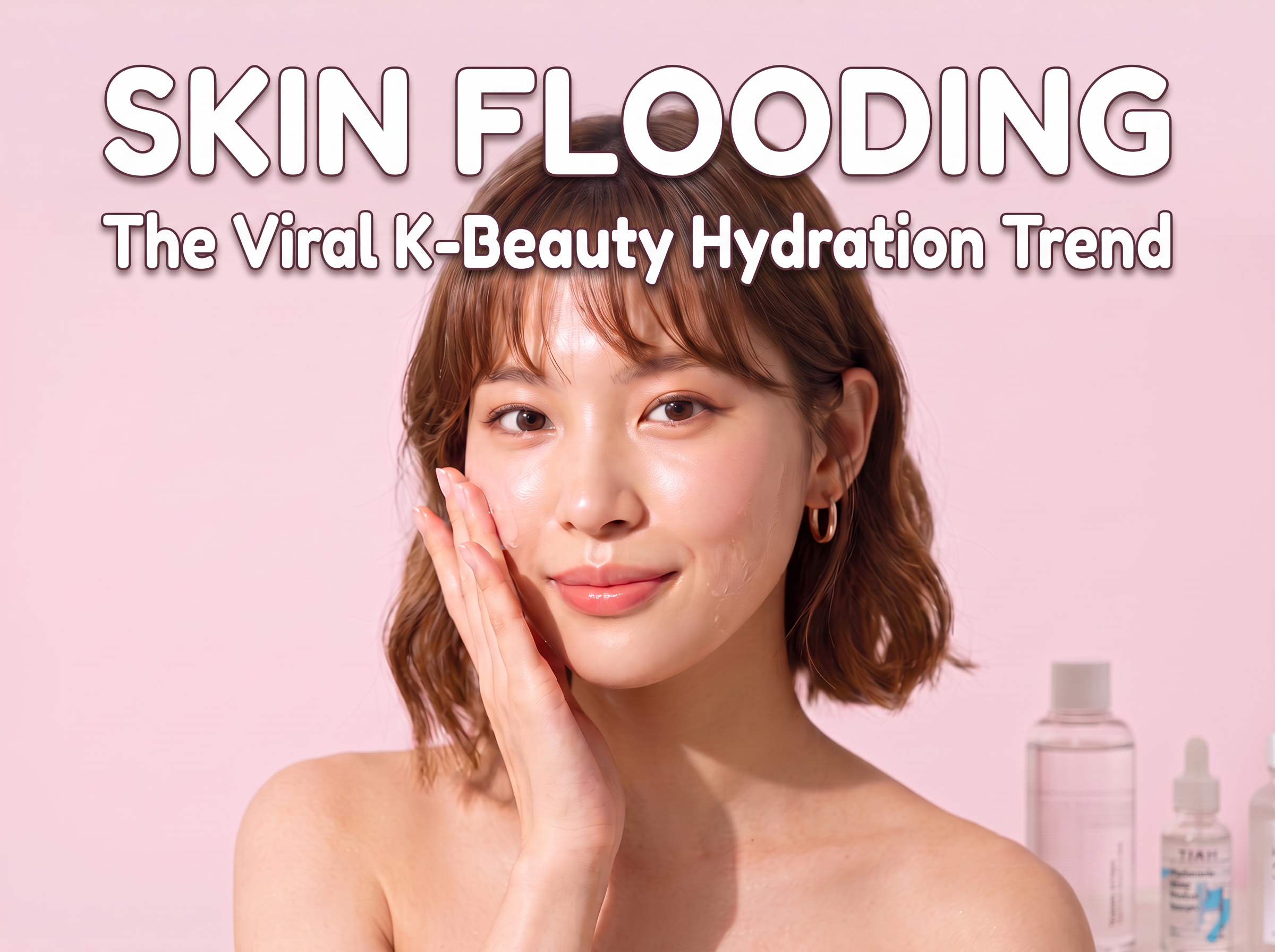
Hey friend — if your For You page has been full of people patting on toner after toner after toner, you’ve seen it: skin flooding. It’s the biggest hydration trend of the year, and unlike a lot of viral skincare, this one actually holds up.
A quick story
I used to think more product meant more results, so I’d pile on heavy creams and call it a day. My skin still looked flat and thirsty by noon. Turns out the order and the water content mattered way more than how rich my moisturizer was. Once I started layering hydration on damp skin — thinnest to thickest — the difference was immediate. That’s the whole idea behind skin flooding.
What Is Skin Flooding?

- Layering, not loading up: You apply hydrating products in a specific order — thinnest to thickest — on slightly damp skin.
- Hyaluronic acid is the star: It draws water into the skin and holds onto it.
- It’s basically K-beauty, rebranded: The multi-step layering method Korean skincare has used for years, now trending under a new name.
- Best for dry, dull, or dehydrated skin: Oily or acne-prone skin can still benefit, just with lighter layers.
The Skin-Flooding Products Worth Knowing

- Heartleaf toner: The first hydration layer, applied to damp skin — our Anua Heartleaf 77% Soothing Toner is a go-to.
- Hyaluronic acid serum: The core of skin flooding — try our Tiam Hyaluronic Glow Revive Serum or Isntree Ultra Low HA Serum.
- Ceramide moisturizer: Seals everything in — our Illiyoon Ceramide Ato Concentrate Cream locks in every layer underneath.
- Centella sunscreen: Morning-only step to protect all that hydration — the SKIN1004 Centella Hyalu-Cica Sun Serum works well here.
How to Build a Skin-Flooding Routine
The golden rule: apply everything to damp skin, thinnest texture first, and don’t let your skin fully dry between steps.
Step-by-Step: A Simple Skin-Flooding Routine

- Cleanse: Use a gentle, low-pH cleanser so skin stays slightly damp after rinsing.
- First hydration layer: Pat in a soothing toner like Anua Heartleaf 77% while skin is still damp.
- Second hydration layer: Apply a hyaluronic acid serum to draw in and hold onto that moisture.
- Seal it in: Finish with a ceramide-rich moisturizer like the Illiyoon Ceramide Ato Cream to lock everything underneath.
- Protect (AM only): Top with a centella-based SPF to protect your hydrated skin all day.
Skin Flooding vs. a Regular Routine — What’s the Difference?

| Skin Flooding | Regular Routine |
|---|---|
| Multiple hydrating layers on damp skin | Single toner, serum, and moisturizer step |
| Focuses on water-based hydration first | Focuses on treating specific concerns first |
| Best for dryness, dullness, and tightness | Flexible for any skin goal |
Skin Flooding Tips by Skin Type

- Dry skin: Go full routine — toner, serum, and a rich ceramide cream to seal it all in.
- Oily skin: Stick to lightweight layers and skip the heaviest creams.
- Sensitive skin: Start with just the heartleaf toner and hyaluronic serum before adding more steps.
- Combination skin: Flood dry or dehydrated areas more heavily, keep it light on the T-zone.
Shop the Skin-Flooding Routine
Ready to try skin flooding? Shop these soothing, hydrating, and protective K-Beauty picks featured in this guide.


8 FAQs — Skin Flooding Edition
1. What exactly is skin flooding?
It’s a layering technique where you apply hydrating products, thinnest to thickest, on damp skin to maximize moisture absorption.
2. Do I need special products for skin flooding?
Not necessarily — a soothing toner, a hyaluronic acid serum, and a good moisturizer are usually enough.
3. Is skin flooding safe for oily or acne-prone skin?
Yes, but keep the layers lighter and skip heavy, rich creams to avoid feeling greasy.
4. Why does skin have to be damp for this to work?
Damp skin helps water-based products absorb more effectively instead of sitting on the surface.
5. Can I do skin flooding every day?
Yes — it’s gentle enough for daily use, especially if your skin runs dry or dehydrated.
6. What’s the difference between skin flooding and the 7-skin method?
The 7-skin method layers just toner multiple times; skin flooding layers different textures, from toner to serum to cream.
7. Will skin flooding help with dullness?
Yes — well-hydrated skin reflects light better, which often shows up as a brighter, dewier look.
8. Should I moisturize after skin flooding?
Yes — always finish with a moisturizer to seal in all the hydration layers underneath.
Conclusion — Hydrate in Layers, Glow All Day
Skin flooding is one of those rare trends that’s actually backed by good skincare logic: layer hydration on damp skin, seal it in, and let your skin do the rest. Start with a soothing toner and a hyaluronic acid serum, finish with a ceramide moisturizer, and you’ve got the whole trend covered. Ready to try it yourself? Explore MYFIOR’s hydration picks today.